
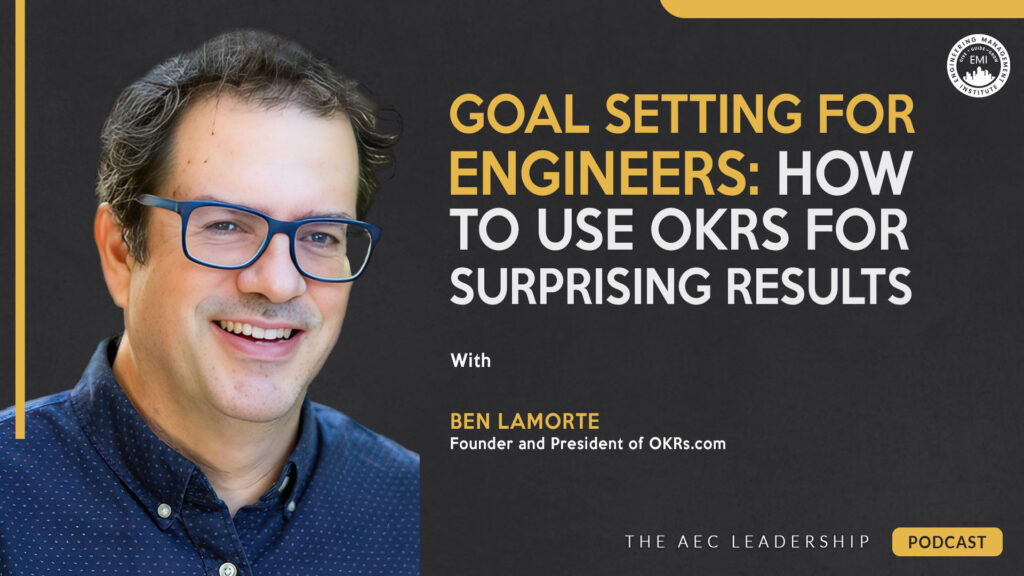

In this episode, I talk to Ben Lamorte, Founder and President of OKRs.com, about what truly makes goal-setting frameworks like OKRs work and the biggest mistakes leaders make when setting goals. We also explore how AEC professionals can use structured goal setting for engineers through OKRs (Objectives and Key Results) to create meaningful change and lasting impact.
***The video version of this episode can be viewed here.***
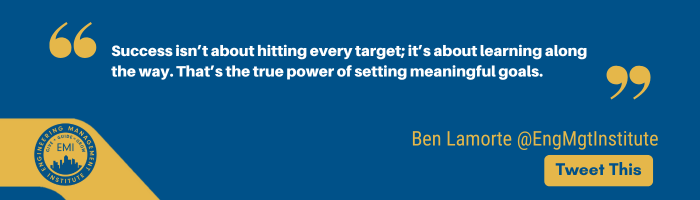
Engineering Quotes:
Here Are Some of the Key Points Discussed About Goal Setting for Engineers: How to Use OKRs for Surprising Results:
- OKRs (Objectives and Key Results) provide a clear framework for setting measurable goals that align daily tasks with strategic priorities. Over time, they evolve from rigid planning tools into dynamic systems that encourage reflection, adaptability, and clarity in fast-changing environments.
- Many teams fall into the trap of using OKRs as task lists or setting vague goals without clear outcomes. Leaders build alignment and drive results by focusing on a few high-impact objectives, supporting consistent check-ins, and encouraging shared accountability across departments. This insight is especially valuable in goal setting for engineers, where technical execution must align with strategic outcomes.
- AEC firms gain more traction by defining the desired outcomes behind their work, not just listing actions. When teams connect objectives to clear metrics and business priorities, they replace busy work with focused efforts that move the needle — a principle central to successful goal setting for engineers working in complex environments.
- One company centered its goals around a key upcoming event, using OKRs to work backward and define success. This approach energized the team, created shared clarity, and helped drive meaningful progress, even without hitting every individual metric. For engineering professionals, this shows how structured OKRs can enhance goal setting for engineers and ensure everyone is aligned around outcome-driven efforts.
- Check-ins throughout each cycle, ideally midway, give teams the structure to reflect, adjust, and stay aligned. Leaders play a critical role by defining what success looks like, supporting accountability, and creating space for course corrections that keep goals relevant and achievable — all crucial when refining goal setting for engineers.
- Start by identifying a recurring project or task and asking, “What is the intended outcome?” By shifting the conversation to measurable impact, leaders enable teams to work with more clarity, direction, and purpose without adding unnecessary complexity. This is a foundational principle in effective goal setting for engineers striving for practical, results-oriented outcomes.
About Ben Lamorte
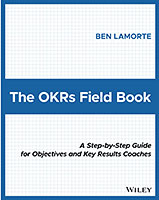
 Ben Lamorte is a leading figure in the space of “Objectives and Key Results” (OKRs). He has more OKRs coaching experience than anyone on the planet. Lamorte is a coach to business leaders focused on defining and making measurable progress on their most important goals. He started OKRs.com in 2014 and over the past decade has helped 200+ organizations based in 20+ countries implement OKRs including eBay, Adobe, Capital One, 3M, ServiceNow, Zalando, and Nike. After co-authoring one of the first books dedicated to OKRs, Lamorte wrote The OKRs Field Book, the first book written specifically for OKRs coaches published by Wiley in 2022. Ben studied engineering and mathematics at the University of California, Davis, and holds a graduate degree in management science and engineering from Stanford University.
About the Host: Rebecca Swabey, P.Eng.
 Rebecca is a professional engineer who transitioned into the role of a tech startup founder. With ten years of experience in the civil consulting industry, specializing in water resources engineering and land development, she co-founded Equator Studios in 2018. The company enhances efficiency and quality for civil firms in the early stages of projects by providing better access to LiDAR and proposal automation tools. Based in Ontario, Canada, Rebecca enjoys hiking along the Grand River, experimenting with pizza recipes, and spending time with her two dogs.
Books Mentioned in This Episode:
Resources and Links Mentioned in This Session Include:
OKRs.com
AutoCAD
eBay
Connect with Ben Lamorteon LinkedIn
Please leave your comments, feedback, or questions in the section below.