

In this episode, I talk with Joe Demers, P.E., a civil engineer at Alpha Structural, about seismic retrofit strategies to enhance building safety. Despite decades of warnings, many cities remain dangerously unprepared for major earthquakes, often relying solely on outdated building codes. Joe shares his extensive experience in structural repair and design, offering insights into assessing seismic risk, effective retrofit methods, and the financial and public-private partnerships needed for large-scale preparedness.
Here Are Some of the Questions We Ask Joe Demers, P.E.:
- Why are cities still structurally vulnerable despite decades of warnings about earthquakes, and what is the most underestimated barrier?
- What are the fastest ways to triage a building for seismic risk, including key red flags, quick checks, or initial models you use?
- Which retrofit strategies offer the best life-safety return per dollar?
- Can you share an example of an owner with a limited budget who completed a full seismic retrofit, and what key lessons emerged?
- Which decision frameworks work best for homeowners versus commercial owners considering seismic retrofits, and how do downtime and functional recovery affect those choices?
- How do you plan retrofit phasing or temporary works to minimize disruption, and which tactics have proven most effective?
- Are clients often surprised by their buildings’ vulnerabilities, and do these issues usually arise from outdated codes, construction practices, or both?
- What are your views on functional recovery when codes fall short, and how do you guide clients who want or need to exceed minimum requirements?
- What final advice would you offer structural engineers and students as they advance in their careers?
Here Are Some of the Key Points Discussed About Enhance Earthquake Safety with Seismic Retrofit Strategies:
- Cities remain structurally vulnerable because major earthquakes are infrequent, leading to a diminished sense of urgency among property owners. This historical infrequency often makes the high cost of seismic upgrades seem like a lower priority, despite the known risks and the potential for widespread devastation.
- Identifying red flags like soft-story buildings or unreinforced masonry is crucial for a quick seismic risk assessment. Engineers can also quickly check for adequate anchorage between a house and its foundation, which are often straightforward fixes for older residential properties. Recognizing these common deficiencies allows for efficient initial evaluations and targeted intervention strategies.
- Soft-story retrofits offer the best life-safety return per dollar, as they can be completed relatively quickly and without requiring residents to vacate their homes. This efficiency and minimal disruption make them a highly effective and economically viable strategy for enhancing building safety in earthquake-prone areas.
- While specific examples of financially constrained owners changing their minds are rare, mandates have significantly increased seismic retrofit adoption. Owners often prioritize safety or compliance once the necessity is clear, sometimes even expanding upgrades to other properties they own. This highlights the power of regulation and informed decision-making in driving essential structural improvements.
- Homeowners consider personal risk and property value, often benefiting from incentive programs like Earthquake Brace and Bolt. Commercial owners, however, face mandates due to the broader impact on occupants and business continuity. This distinction underscores why authorities often mandate upgrades for larger buildings, ensuring public safety beyond individual owner discretion.
- Minimizing disruption during a retrofit involves strategic phasing and careful planning of temporary works. For single-family homes, work can often be completed under the house with minimal impact, while soft-story retrofits can be done in parking areas with overnight access and with clever use of protective coverings over excavations. This approach ensures residents and businesses can maintain operations as much as possible throughout the project.
- Clients are often surprised to learn that deficiencies stem from a lack of complete understanding of seismic retrofit strategies requirements at the time of construction, not necessarily poor building practices. Codes evolve as new earthquake data and engineering knowledge emerge. This continuous learning informs current retrofit standards, addressing gaps in older construction methods.
- When clients voluntarily seek retrofits, they inherently go beyond minimum code requirements. Engineers advise on additional deficiencies, like cripple wall sheathing or rotted elements, emphasizing safety and property value. The decision to invest further ultimately rests on the client’s perceived need and willingness to enhance their building’s resilience beyond mandated requirements.
- Aspiring structural engineers should embrace every learning opportunity and actively engage with professional associations like SEAOSC. Dedication to continuous learning and networking will pave the way for a rewarding career in this vital field. The profession offers immense fulfillment through the design and improvement of the built environment.
More Details in This Episode…
About the Guest
Joe Demers, P.E.
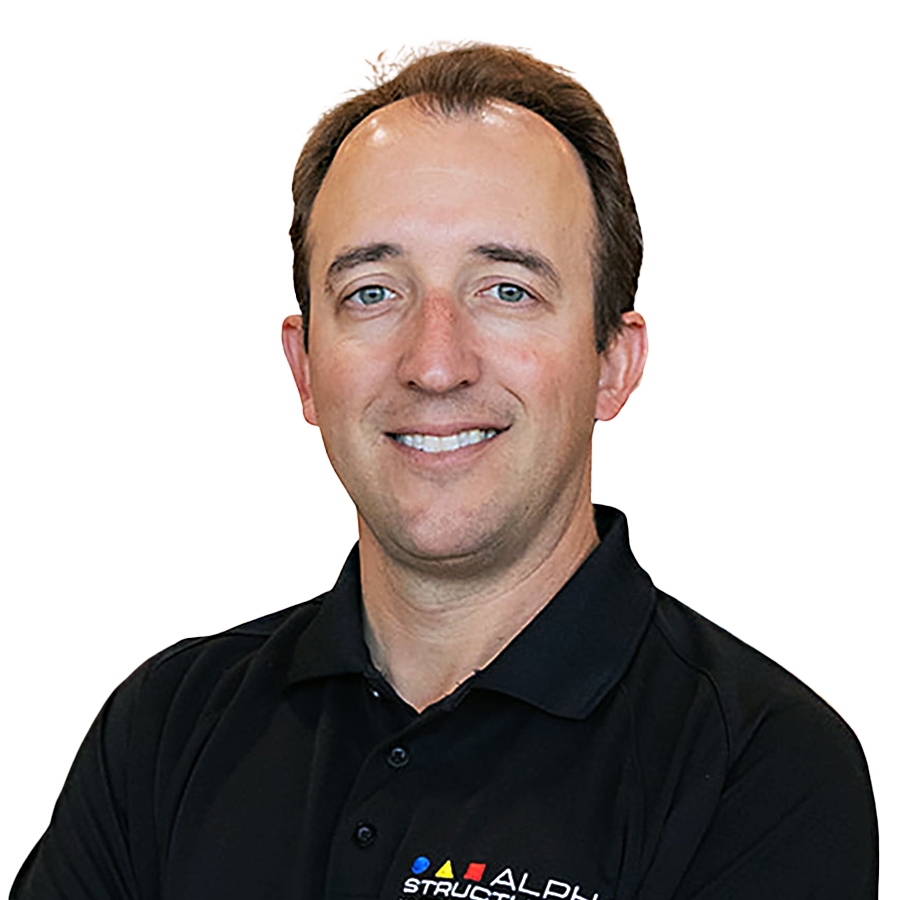 Joe Demers, P.E., is a licensed civil engineer with 18 years of experience in structural repair and design. He brings a practical, solutions-focused approach to every project. Since joining Alpha Structural in 2016, he has played a key role in developing efficient strategies across projects in various stages—from initial design to active construction. Joe is known for navigating complex challenges with clarity and precision.
About the Host
Mathew Picardal, P.E., SE
 Mathew is a licensed engineer, practicing on structural projects in California, with an undergraduate degree from Cal Poly Pomona and an M.S. in Structural Engineering from UC San Diego. He has designed and managed various types of building structures, including residential wood apartment buildings, commercial steel buildings, and concrete parking structures and towers. He also hosts the new YouTube channel “Structural Engineering Life,” through which he promotes the structural engineering profession to engineering students who are not familiar with the industry perspective.
Sources/References:
Alpha Structural
Earthquake Brace & Bolt (EBB) program
Structural Engineering Association of Southern California (SEAOSC)
AEC PM Certification
AEC PM Connect
Project Management Accelerator™
Engineering Leadership Accelerator™
Please leave your comments or questions in the section below.